

The 2040-60 Local Mandate: Growth of Regional African Medical Hubs
The architecture of healthcare procurement in Africa is undergoing a significant pivot. For decades, the continent has operated on a high-import dependency model, sourcing the vast majority of its diagnostic assets and medical equipment from external corridors. However, that looks set to change. At the 39th African Union (AU) Summit, a decisive declaration was adopted, mandating that the continent produce at least 60% of health products locally by 2040.
To convert political ambition into industrial muscle, the African Pooled Procurement Mechanism (APPM) serves as a strategic engine of scale by consolidating demand across 55 nations. This collective setup guarantees that the APPM will heavily prioritize purchasing directly from African producers. Secured by this guaranteed sales volume, regional manufacturers gain the long-term confidence required to aggressively scale up their factory outputs. Ramping up this domestic production baseline necessitates a surge in high-volume orders for micro-assemblies and specialized raw materials. Given the current infrastructure deficit, these will likely continue as import streams from established global hubs flowing through logistical gateways such as Egypt, Morocco, South Africa, and Kenya.
As global leaders convene at the Africa Health ExCon in Cairo this week, the focus is squarely on these potential pillars of a decentralized production network. While the long-term goal is total self-sufficiency, the current landscape requires a multi-year industrial journey where international partnerships remain essential to support the frontline supply chain during this scale-up phase.
Consider the high-volume segment of Rapid Diagnostic Tests (RDTs): to manage the febrile illness burden, Africa requires approximately 400 million Malaria RDTs annually, yet less than 20% comes from indigenous production. To bridge this structural deficit and prevent a frontline collapse, the role of established global hubs like India, Korea, and China is vital, providing over 320 million units to sustain diagnostic sovereignty.
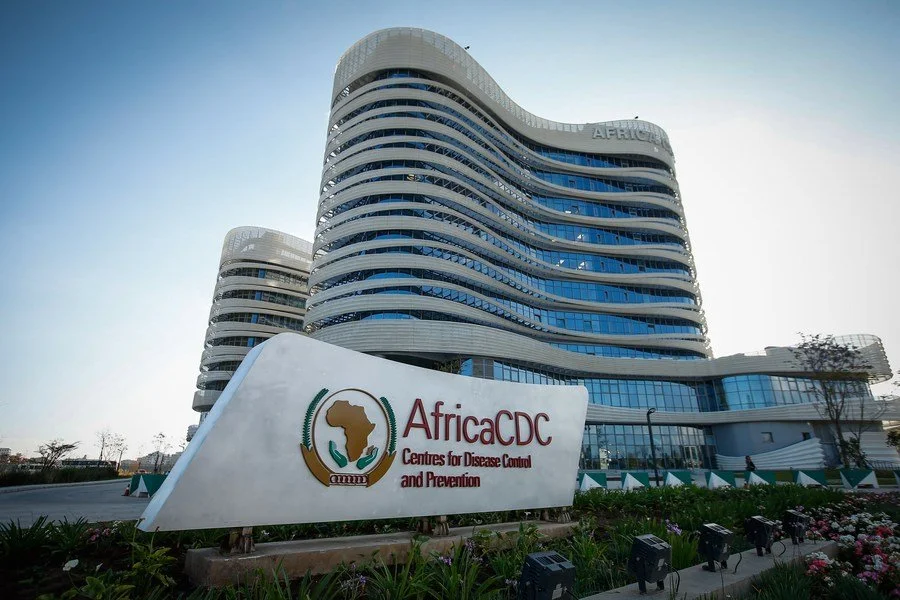
Africa CDC Office in Addis Ababa, Ethiopia
The African Pooled Procurement Mechanism (APPM) is aimed to reduce this deficit and is set to create a cascading positive impact, implemented through the Africa CDC. By establishing a predictable and regular buying mechanism, the APPM enables local healthcare providers to place larger, more stable orders for essential supplies. International anchors like India combine WHO-prequalification with exceptional cost-efficiency, ensuring that as African assembly plants expand, the underlying ingredients, from bulk reagents to microfluidic sub-assemblies, remain strictly validated and consistently available.
Health sovereignty is about building a resilient, polycentric system rather than isolation. Through collaboration with global manufacturing anchors, African healthcare systems can satisfy immediate clinical demands while building the domestic capacity required for a self-sufficient future.
We, at Roadrunner EXIM, are committed to supporting this endeavour through reliable and affordable access to high-quality, certified diagnostic devices, to ensure that patients have the best possible chance of recovery and growth.
